Gold Loan Planning Before You Pledge Jewellery
A gold loan can provide access to funds by using eligible gold jewellery as security, but the decision should be made only after understanding the amount required, the value of the pledged gold, the repayment structure and the consequences of missed payments. Since jewellery may carry both financial and emotional value, borrowing against it deserves careful planning.
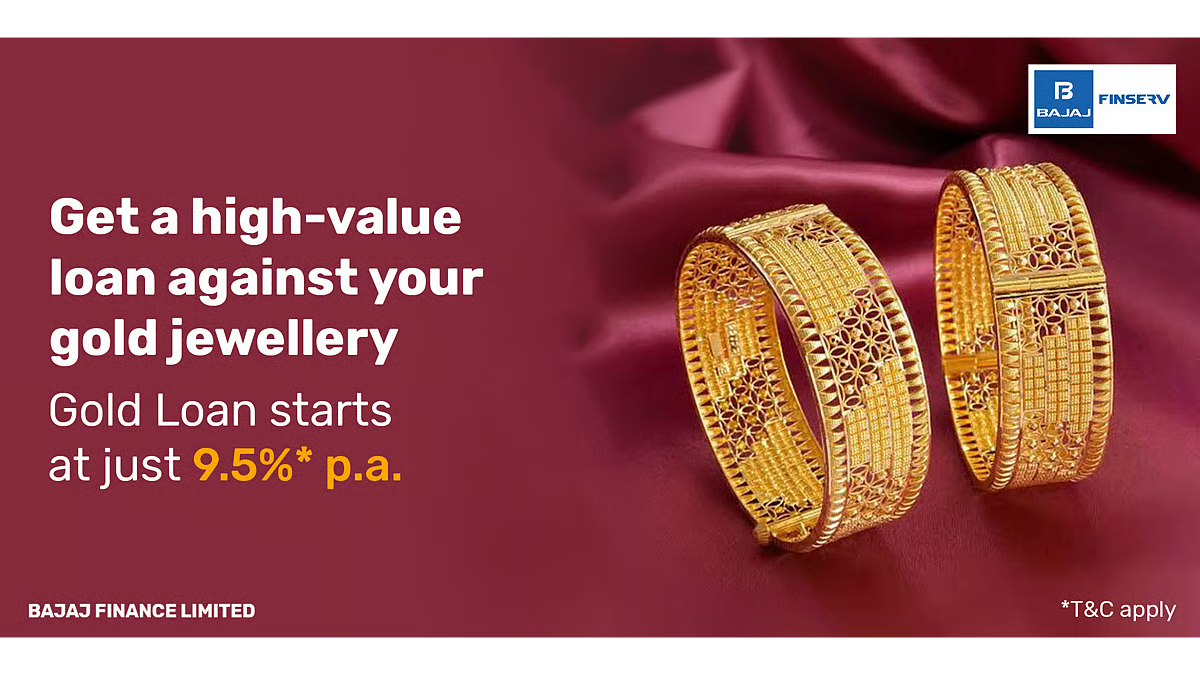
Someone considering an instant loan for a separate financial requirement may also come across secured borrowing options such as a gold loan. The two should not be treated as interchangeable. A gold loan is linked to pledged jewellery, while other forms of borrowing may be assessed differently. The right option depends on eligibility, cost, purpose and repayment capacity.
A useful way to evaluate a gold loan is through a pre-pledge checklist. The goal is to understand the commitment fully before handing over jewellery and accepting the loan.
Check 1: Define Why You Need The Funds
The first question should be about purpose.
Gold loans may be considered for medical expenses, education, business needs, household emergencies or another financial requirement.
The clearer the purpose, the easier it is to determine how much money is actually needed.
Borrowing simply because gold is available can result in unnecessary debt.
If the expense is ₹2 lakh, the borrower should first assess whether that is the amount genuinely required rather than automatically seeking the maximum available against the jewellery.
Check 2: Decide Which Jewellery You Are Comfortable Pledging
Gold jewellery may have emotional value in addition to market value.
Borrowers should think carefully about which items they are comfortable using as security.
Family heirlooms, wedding jewellery or pieces with strong sentimental importance may deserve additional consideration.
The financial value of an item does not always reflect its emotional significance.
This is important because the jewellery remains pledged until the loan is repaid according to the agreed terms.
Check 3: Understand How Gold Is Evaluated
The amount offered against jewellery is not necessarily based on the purchase price of the item.
Valuation can depend on factors such as purity, eligible gold content, prevailing valuation practices and lender policies.
Stones, decorative elements or other non-gold components may not contribute to the assessed gold value in the same way.
Borrowers should understand how the lender arrives at the eligible amount.
A transparent valuation process can make the borrowing decision easier to evaluate.
Check 4: Do Not Assume The Full Jewellery Value Will Be Available
The amount lent against pledged gold may be lower than the assessed value of the eligible gold.
This protects the lender against changes in gold prices and other risks.
Borrowers should therefore avoid assuming that jewellery worth a certain amount will automatically produce the same amount in loan funds.
The actual eligible amount depends on the applicable loan-to-value framework and lender terms.
This makes it important to determine the funding requirement before the valuation process begins.
Check 5: Borrow Only What You Need
A borrower may be eligible for a larger amount than originally planned.
That does not mean the full amount should automatically be taken.
Additional borrowing increases the principal and may increase total interest.
A useful rule is to connect the loan amount directly to the expense.
If the financial need is already covered with a smaller amount, borrowing more simply because the jewellery supports it can create unnecessary repayment pressure.
Check 6: Understand The Interest Structure
Gold loan interest should be reviewed carefully before acceptance.
Borrowers should understand:
- Applicable interest rate
- How interest is calculated
- Repayment frequency
- Whether interest is paid periodically or at maturity
- Whether the rate can change
- Any conditions linked to the selected repayment option
The exact structure can vary by lender and product.
Looking only at the advertised rate may not provide a complete picture of the borrowing cost.
Check 7: Review All Applicable Charges
Interest is not always the only cost.
Depending on the product, charges may include processing fees, valuation-related costs, late-payment charges or other applicable fees.
Borrowers should ask for a clear breakdown before accepting the loan.
This helps compare the net amount received with the amount that must eventually be repaid.
A slightly lower interest rate may not always result in the lowest overall cost if other charges are higher.
Check 8: Know The Repayment Method
Gold loans can have different repayment structures.
Some may require regular EMIs, while others may allow different combinations of principal and interest payment subject to the product terms.
The borrower should understand exactly what is due, when it is due and how the outstanding amount changes over time.
The repayment structure should fit the borrower’s income pattern.
A payment method that looks convenient initially may become difficult if it does not align with actual cash flow.
Check 9: Match Repayment To Your Income Cycle
A salaried borrower may have predictable monthly income, while a business owner or professional may have more variable cash flow.
The repayment plan should reflect this difference.
If income is irregular, borrowers should avoid choosing a structure that depends on unusually strong months.
A conservative plan based on normal income is generally easier to sustain.
The jewellery should not be placed at risk because repayment was based on overly optimistic assumptions.
Check 10: Keep A Repayment Buffer
A repayment plan should include room for unexpected expenses.
Medical bills, household repairs or income disruption can occur while the gold loan is active.
If every rupee of monthly surplus is already committed, even a small change can create difficulty.
Maintaining emergency savings can reduce this risk.
The borrower should ideally be able to manage the loan without relying on emergency funds every month.
Check 11: Understand What Happens If Payment Is Delayed
Because gold is pledged as security, missed payments can have serious consequences.
Borrowers should understand the lender’s process for overdue amounts, notices, additional charges and enforcement under the agreed terms.
This information should be clear before borrowing.
The purpose is not to expect repayment problems.
It is to understand the full risk associated with secured borrowing.
The jewellery should never be pledged without knowing what happens if the repayment schedule is not maintained.
Check 12: Keep The Loan Tenure Realistic
A borrower should have a clear idea of how long the loan is expected to remain active.
The tenure should match the financial need and repayment capacity.
An excessively short tenure may create unnecessary repayment pressure.
An unnecessarily long tenure may increase the overall cost.
The borrower should compare multiple repayment scenarios before choosing the final structure.
The objective is to balance affordability with the goal of recovering the pledged jewellery without unnecessary delay.
Check 13: Understand The Release Process
Before pledging jewellery, borrowers should know what happens after the loan is fully repaid.
Questions can include:
- How is closure confirmed?
- When is the jewellery released?
- What documents are required?
- Is there a specific collection process?
- Can an authorised representative collect it if needed?
Understanding the release process in advance can reduce uncertainty later.
Borrowers should also keep the original loan and pledge-related documentation safely.
Check 14: Maintain A Record Of The Jewellery Pledged
A detailed acknowledgement of the pledged jewellery is important.
The borrower should review the description of the items before finalising the transaction.
Where applicable, records may include details such as number of items, gross weight, assessed purity or other relevant information.
Borrowers should retain all official receipts and documents.
This provides a clear reference throughout the loan period.
Check 15: Do Not Mix Loan Money With Casual Spending
Once the loan is disbursed, the funds should ideally remain connected to the purpose for which they were borrowed.
If the loan was taken for a medical expense, business requirement or education cost, using part of the money for unrelated discretionary spending can weaken the original repayment plan.
Every additional rupee spent from borrowed funds still needs to be repaid.
Purpose-based use keeps borrowing disciplined.
Check 16: Compare Gold Loan Cost With Other Options
A gold loan should not automatically be chosen simply because jewellery is available.
Borrowers can compare it with other appropriate funding options based on:
- Interest cost
- Applicable charges
- Repayment flexibility
- Eligibility
- Need for collateral
- Loan tenure
- Consequences of missed repayment
The right borrowing option depends on the individual situation.
The aim should be to choose the structure that meets the funding requirement without creating avoidable financial risk.
Check 17: Consider The Emotional Cost Of Pledging Gold
Financial decisions are not always purely mathematical.
Some jewellery may be connected to family events, inheritance or important memories.
Even if the repayment plan appears manageable, the borrower should consider whether pledging that particular jewellery will create emotional stress.
If another suitable item or funding source is available, that may affect the decision.
This consideration is especially relevant when the jewellery has significance beyond its financial value.
Check 18: Avoid Repeated Gold Borrowing Without Reviewing Cash Flow
Using a gold loan once for a defined need is different from repeatedly pledging jewellery to cover regular expenses.
If borrowing becomes frequent, the household may need to review the underlying financial situation.
Possible issues may include:
- High recurring expenses
- Existing debt obligations
- Irregular income
- Business cash-flow problems
- Lack of emergency savings
Repeated secured borrowing can increase risk because important household assets remain tied to repayment.
A broader financial review may be more useful than simply taking another loan.
Check 19: Review The Loan Before Making A Prepayment
If additional funds become available, borrowers may consider repaying part or all of the gold loan early.
Before doing so, they should review the applicable prepayment or foreclosure conditions.
It is also important to retain enough emergency liquidity.
Using all available cash to recover the jewellery immediately may not be ideal if it leaves the household unable to handle other essential expenses.
The decision should balance interest savings, liquidity and emotional preference for releasing the pledged gold.
Check 20: Keep Due Dates Visible
Repayment dates should not depend on memory alone.
Borrowers can use calendar reminders, app notifications or another tracking method.
A reminder a few days before the due date can provide time to ensure sufficient funds are available.
This simple habit can reduce the risk of accidental late payments.
It is particularly important when the repayment schedule differs from regular monthly bills.
A Pre-Pledge Gold Loan Checklist
Before finalising the loan, borrowers can ask:
- Is the borrowing purpose clearly defined?
- Is the requested amount limited to the actual need?
- Am I comfortable pledging these specific jewellery items?
- Do I understand how the gold is being valued?
- Is the interest rate clear?
- Are all applicable charges understood?
- Does the repayment structure fit my income?
- Will emergency savings remain available?
- Do I know the consequences of delayed repayment?
- Do I understand how and when the jewellery will be released?
If several answers remain unclear, the borrower should review the terms before proceeding.
When A Gold Loan May Need Extra Caution
Certain situations deserve additional thought.
For example, caution may be useful when the borrower:
- Has unstable income
- Already has several EMIs
- Is using the loan for routine monthly expenses
- Has no emergency savings
- Is pledging jewellery with high sentimental value
- Does not fully understand the repayment schedule
- Is borrowing the maximum amount without a defined need
These conditions do not automatically make a gold loan unsuitable.
They simply increase the importance of careful planning.
Conclusion
A gold loan can provide funds against eligible jewellery, but secured borrowing should be approached with a clear repayment plan. Borrowers should understand the valuation process, loan amount, interest, charges, repayment schedule and the consequences of delayed payment before pledging any jewellery.
It is equally important to borrow only what is required, preserve emergency liquidity and maintain complete records of the pledged items and loan terms. Since the jewellery remains connected to the debt until repayment is completed, affordability should be assessed conservatively.
Before finalising the amount, using a personal loan calculator or another repayment-planning tool can help compare EMI scenarios for alternative borrowing options. The final choice should be based on actual product terms, eligibility, collateral requirements and the borrower’s ability to repay comfortably.